If you have explored the latest cosmetic trends and beauty products lately, you have probably noticed a major shift in how people apply cheek color and face makeup. For years, the gold standard of blush application was high, sharp, and lifted—placed strictly on the high points of cheekbones to create a sculpted, snatched face shape using premium contour palettes.
Enter “Boyfriend Blush”—the viral makeup trend taking over beauty routines and changing the cosmetics game.
Unlike the sharp, lifted blush styles of recent years, Boyfriend Blush is all about lower, softer, and more naturally diffused color using dewy cream blushes and liquid cheek tints. It imitates that effortless, rosy flush you get after playing outdoor sports, going for a brisk autumn walk, or hanging out in the sun. It gets its unique name from the classic image of teenage heartthrobs and athletes in the 1990s and early 2000s, who always seemed to wear a natural, youthful flush lower on their cheeks.
Do you often wake up feeling sluggish, bloated, or exhausted before your day even starts?
You are not alone. In today’s fast-paced world, millions suffer from chronic digestive issues—ranging from acid reflux and irregular bowel movements to low energy and gut inflammation. We often look for quick fixes in expensive synthetic supplements, detox teas, or fad diets. But what if the secret to optimal digestion and healthy weight management isn’t a quick fix, but a holistic morning routine?
For over 5,000 years, Ayurveda—the ancient science of holistic medicine—has placed gut health and digestive fire at the center of human wellness. Long before modern research highlighted the benefits of probiotics and prebiotics, Ayurvedic practitioners taught that physical vitality begins in the digestive tract.
In this guide, you will discover time-tested, organic gut health habits—including Ayurvedic herbal cleanses, daily detox rituals, and natural enzyme boosters—that gently balance your microbiome, eliminate built-up toxins, and restore daily energy.
Imagine living in a city where traffic lights adjust automatically to prevent congestion, public transportation arrives exactly when needed, waste collection is optimized by smart sensors, and artificial intelligence manages everything from energy consumption to public safety.
This isn’t a scene from a science-fiction movie. It’s a vision that some countries are actively working to make reality.
Around the world, governments are investing billions of dollars in smart city projects, but one ambitious project stands out from the rest: the effort to build a city designed from the ground up around artificial intelligence.
Supporters believe these AI-powered cities could solve some of humanity’s biggest urban challenges. Critics worry about privacy, surveillance, and the growing role of machines in everyday life.
The question is simple: what happens when artificial intelligence becomes the operating system of an entire city?
The Rise of Smart Cities
Modern cities face increasing pressure from population growth, traffic congestion, pollution, housing shortages, and rising energy demands.
Traditional urban planning often struggles to keep pace with these challenges.
This has led governments and technology companies to explore a new concept: smart cities.
A smart city uses digital technologies, sensors, data analytics, and artificial intelligence to improve how urban systems operate.
Instead of relying solely on human decision-making, AI can process enormous amounts of information in real time and make rapid adjustments to city services.
Examples include:
Intelligent traffic management
Smart energy grids
Predictive maintenance
Autonomous transportation
Automated public services
Environmental monitoring
The goal is to create cities that are more efficient, sustainable, and livable.
The Ambitious Vision of NEOM
Perhaps the most talked-about AI-driven city project is NEOM, a massive development being built in Saudi Arabia.
The project aims to create a futuristic urban environment powered by advanced technologies, renewable energy, and artificial intelligence.
One of its most famous components is “The Line,” a planned linear city stretching across the desert.
For decades, passwords have been the keys to our digital lives. We use them to access email accounts, bank accounts, social media platforms, shopping websites, and countless other online services. Yet despite their importance, passwords have always had one major flaw—they rely on humans.
People create weak passwords, reuse the same password across multiple websites, forget them frequently, or fall victim to phishing scams. As cybercriminals become more sophisticated, traditional passwords are increasingly seen as one of the weakest links in digital security.
Now, a growing number of technology companies believe the future is passwordless. Industry experts predict that within the next five years, many internet users could log in to their accounts without ever typing a password again.
So what will replace passwords, and why is the technology industry moving in this direction?
The Growing Problem With Passwords
Most people have dozens, if not hundreds, of online accounts. Remembering unique, complex passwords for every service is nearly impossible.
As a result, users often:
Reuse passwords across multiple websites.
Create easy-to-guess passwords.
Store passwords in insecure places.
Click on fake login pages designed to steal credentials.
Cybercriminals take advantage of these habits through phishing attacks, data breaches, malware, and credential-stuffing attacks.
Every year, millions of usernames and passwords are exposed through security breaches. Once stolen, these credentials can be used to access personal information, financial accounts, and sensitive business data.
The problem has become so widespread that many cybersecurity experts believe passwords themselves are the issue.
Enter the Passwordless Future
Instead of relying on something you know, such as a password, modern authentication systems increasingly rely on something you have or something you are.
This includes:
Fingerprint recognition
Facial recognition
Device-based authentication
Security keys
Passkeys
These methods make it significantly harder for criminals to gain unauthorized access.
The goal is simple: eliminate the need for users to remember and manage passwords altogether.
Skincare has become more complicated than ever, with long routines and expensive products everywhere.
But healthy, glowing skin doesn’t need more products—it simply needs the right care with high-quality ingredients that truly work. A minimalist skincare routine is a cost-effective, results-driven solution. This approach not only reduces spending on high-end skincare products but also follows dermatologist-recommended practices that support long-term skin health, minimize inflammation, and prevent acne breakouts. Whether you have dry skin, oily T-zone, or sensitive skin, using a few essential, high-performance products can deliver better results with less effort.
The 5 Skincare Products That Truly Matter
In a world full of endless skincare options, complicated routines, and trending products, it’s easy to feel overwhelmed. The truth is, healthy and glowing skin doesn’t require a 10-step routine. Instead, it comes down to using a few essential, well-formulated products consistently.
Let’s explore the only five skincare products you truly need to maintain radiant, youthful, and balanced skin—without unnecessary complexity.
5. Cleanser: The Foundation of Every Routine
Why it matters: A cleanser is the first and most important step in any skincare routine because it prepares your skin for everything that follows. Throughout the day, your skin collects dirt, oil, sweat, pollution, bacteria, and sunscreen residue. A gentle, pH-balanced cleanser removes all these impurities without stripping away your skin’s natural oils or damaging its protective barrier (acid mantle).
Using the wrong cleanser—especially harsh or overly foaming ones—can disrupt your skin’s balance, leading to dryness, irritation, or even increased oil production. A good cleanser should leave your skin feeling clean, soft, and refreshed—not tight or dry.
Dermatologist Picks:
CeraVe Hydrating Facial Cleanser – Ideal for dry and sensitive skin, enriched with ceramides and hyaluronic acid to maintain hydration.
La Roche-Posay Effaclar Gel Cleanser – Perfect for oily and acne-prone skin, helps control excess oil without over-drying.
Pro tip: Avoid cleansers that contain alcohol or create excessive foam, as they can strip your skin. … Read More
In today’s busy world, finding quality time with your partner can be challenging. A couples spa experience offers the perfect opportunity to relax, reconnect, and create lasting memories together. Whether you’re celebrating an anniversary, planning a romantic getaway, or simply looking for a unique date idea, a spa package can provide both luxury and wellness benefits.
Here are some of the best spa packages for couples and what makes them worth considering.
Why Choose a Couples Spa Package?
A couples spa day is more than just relaxation. It allows partners to:
Reduce stress together
Enjoy quality time without distractions
Improve physical and mental well-being
Celebrate special occasions
Create a romantic and memorable experience
Many couples find that spa treatments help them feel refreshed, happier, and more connected.
1. Couples Massage Package
The most popular spa package for couples is a side-by-side massage experience.
What’s Included:
Swedish massage
Deep tissue massage options
Aromatherapy oils
Relaxation lounge access
Benefits:
Relieves muscle tension
Reduces stress
Promotes relaxation
Creates a shared wellness experience
This package is ideal for first-time spa visitors and couples seeking a simple yet luxurious escape.
2. Romantic Spa Retreat Package
Perfect for anniversaries, honeymoons, or special celebrations.
Often Includes:
Couples massage
Private spa suite
Champagne or herbal tea
Chocolate-covered strawberries
Relaxation room access
This package focuses on romance while providing complete relaxation.
3. Couples Facial and Massage Combo
A combination package that helps both partners look and feel their best.
Services Typically Include:
Customized facial treatment
Neck and shoulder massage
Hydrating face mask
Skin consultation
This option is particularly popular among couples preparing for weddings, vacations, or special events.
4. Luxury Full-Day Spa Experience
For couples who want the ultimate wellness day.
Common Features:
Multiple massage treatments
Body scrub
Facial therapy
Steam room access
Sauna sessions
Healthy gourmet lunch
These packages often provide the best overall value when compared to booking services individually.
6. Katrina Kaif’s Explosive Performance in “Chikni Chameli”
The moment “Chikni Chameli” starts, all eyes automatically find Katrina Kaif.
This wasn’t just another item song—it was an energy storm.
Katrina delivered a performance packed with fierce expressions, nonstop movement, and a level of confidence that instantly turned the song into a blockbuster sensation. The rustic setting, powerful beats, and her magnetic presence created a combination that Bollywood fans couldn’t get enough of.
The funniest part?
It looks effortless when Katrina does it.
Then you try copying the choreography at a wedding and realize it feels like an Olympic-level workout.
Even today, “Chikni Chameli” remains one of Bollywood’s most replayed dance numbers for a reason.
5. Nora Fatehi’s Career-Changing Performance in “Dilbar”
Few songs have transformed an actor’s career the way “Dilbar” transformed Nora Fatehi’s.
The moment the music starts, viewers are completely captivated.
Her fluid belly-dancing skills, perfect rhythm, and graceful movements made every second of the song visually mesmerizing. Every move looked precise, every expression felt intentional, and the overall performance quickly became a viral sensation across social media.
“Dilbar” wasn’t just a hit song.
It was the performance that established Nora as one of Bollywood’s most celebrated dancers.
In today’s fast-moving digital world, staying healthy has become more important than ever. Millions of people are searching for simple and effective ways to improve fitness, burn calories, lose weight, and maintain mental peace. Among the most popular fitness activities, walking and running continue to dominate because they are easy, affordable, and require no expensive gym membership.
But the biggest question remains: walking vs running — which is actually better?
The answer is not as simple as choosing one over the other. Both walking and running provide incredible health benefits, but they serve different goals depending on your fitness level, body condition, lifestyle, and personal preferences.
Some people choose walking because it feels gentle, relaxing, and sustainable. Others prefer running because it burns calories faster and improves endurance quickly. Fitness experts, online fitness coaching programs, and personal fitness trainers often recommend both activities based on individual health goals.
Understanding Walking
Walking is one of the oldest and most natural forms of exercise. It is low-impact, easy for beginners, and suitable for almost every age group. Even a 30-minute daily walk can improve your physical and mental health significantly.
Walking does not put excessive pressure on the joints, making it ideal for seniors, beginners, overweight individuals, or people recovering from injuries. It also supports long-term consistency because it feels less exhausting compared to high-intensity workouts.
Benefits of Walking
1. Excellent for Beginners
If you are starting your fitness journey, walking is one of the safest options. You do not need advanced equipment, expensive shoes, or a professional trainer to begin. A comfortable pair of walking shoes and consistency are enough.
2. Supports Weight Loss
Many people underestimate walking for weight loss. However, regular brisk walking can help burn calories effectively, especially when combined with a healthy diet plan and calorie deficit.
Walking also improves metabolism and helps the body use fat as energy over time.
For thousands of years, Ayurveda has guided people toward better health through natural living, balanced eating, mindful habits, and herbal wellness practices. Originating in ancient India, Ayurveda focuses on harmony between the body, mind, and lifestyle rather than quick fixes. Today, many people around the world are rediscovering these timeless wellness principles as part of a healthier daily routine.
Unlike extreme diet trends or miracle cures, Ayurvedic wisdom encourages sustainable habits that support long-term well-being. The best part is that many of these practices are simple, affordable, and easy to include in modern life.
In this article, we will explore 10 powerful Ayurveda health secrets from ancient India that continue to inspire healthy living today. This educational content is intended for general wellness awareness only and is not medical advice.
What Is Ayurveda?
Ayurveda comes from two Sanskrit words: “Ayur” meaning life and “Veda” meaning knowledge. Together, Ayurveda means “the science of life.”
Ayurveda emphasizes prevention, balance, and healthy daily routines. It traditionally focuses on:
Balanced nutrition
Natural herbs and spices
Sleep and relaxation
Digestion and gut health
Mindfulness and emotional balance
Seasonal wellness practices
Modern wellness communities often appreciate Ayurveda for its holistic approach to healthy living.
1. Start Your Morning with Warm Water
One of the simplest Ayurvedic wellness habits is drinking warm water early in the morning. Many traditional practitioners believe this practice helps support digestion and hydration after waking up.
Why It Is Popular
Warm water may:
Help the body feel refreshed
Encourage hydration after sleep
Support comfortable digestion
Create a calming morning ritual
Some people also add lemon, ginger, or herbs for flavor.
Simple Morning Wellness Routine
Try this easy routine:
Wake up naturally if possible
Drink one glass of warm water
Sit quietly for a few minutes
Stretch or walk gently
This small daily habit can help create a more mindful start to the day.
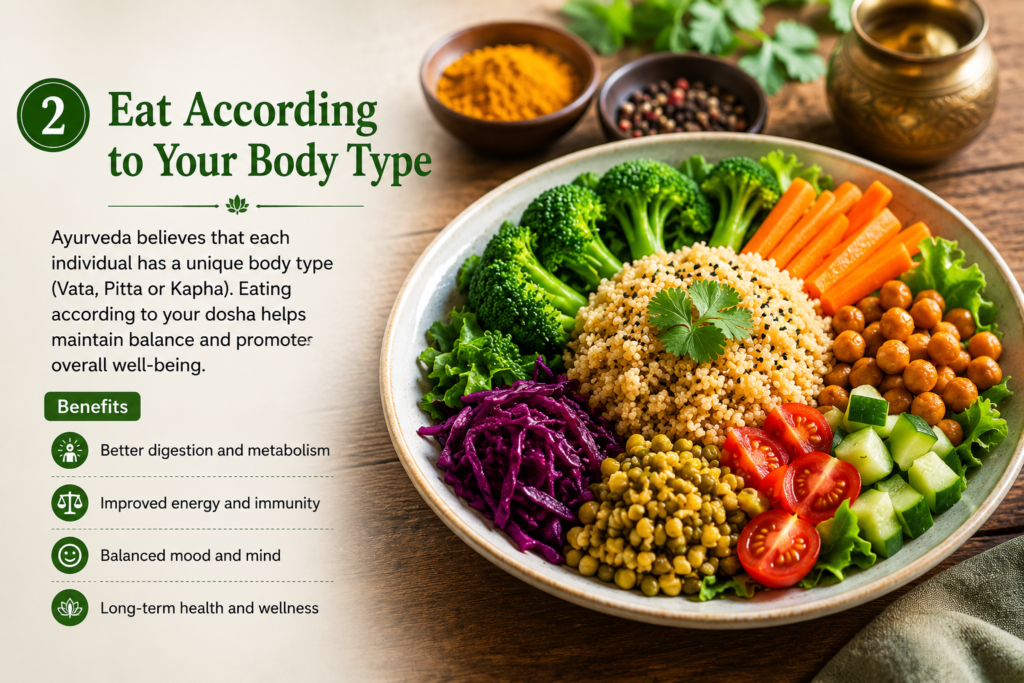
2. Eat According to Your Body Type
A well-known concept in Ayurveda is the idea of body constitutions called doshas. Traditional Ayurvedic philosophy describes three main doshas:
Vata
Pitta
Kapha
These categories are used in Ayurvedic teachings to … Read More